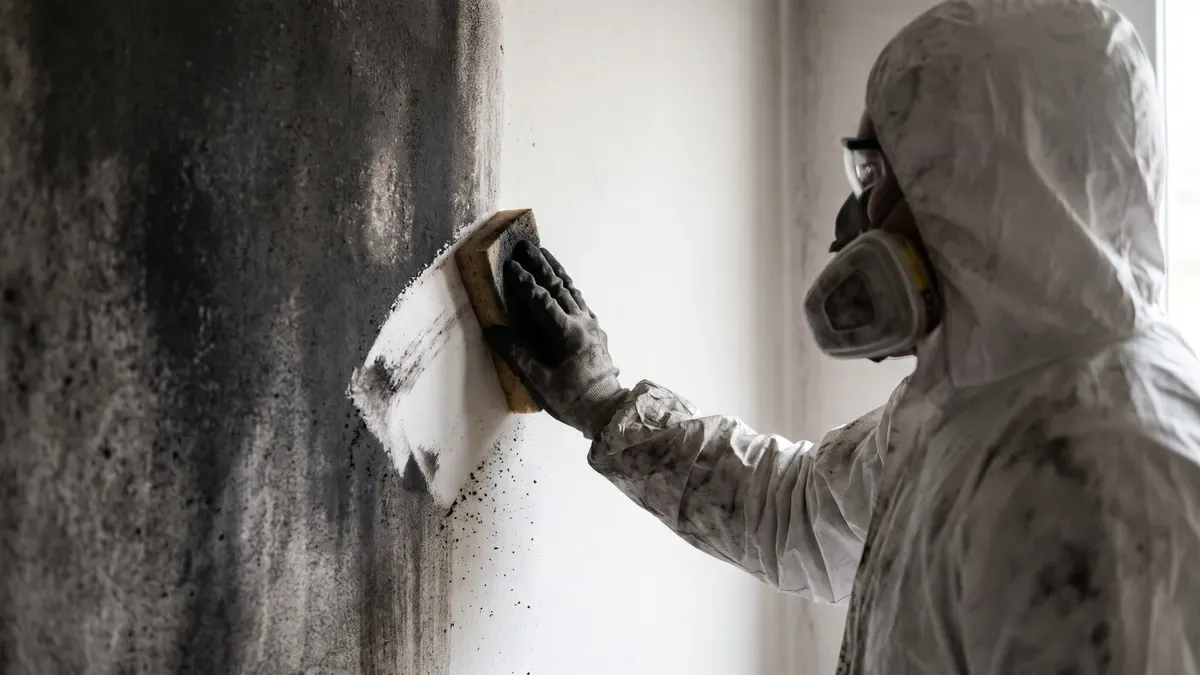
Soot and smoke residue are acidic and sticky, and they spread far beyond the room where the fire started. Proper cleanup uses the right method for the soot type and treats the source of the smell, not just the surface.
Smoke and Soot Cleanup in Dallas: what you need to know
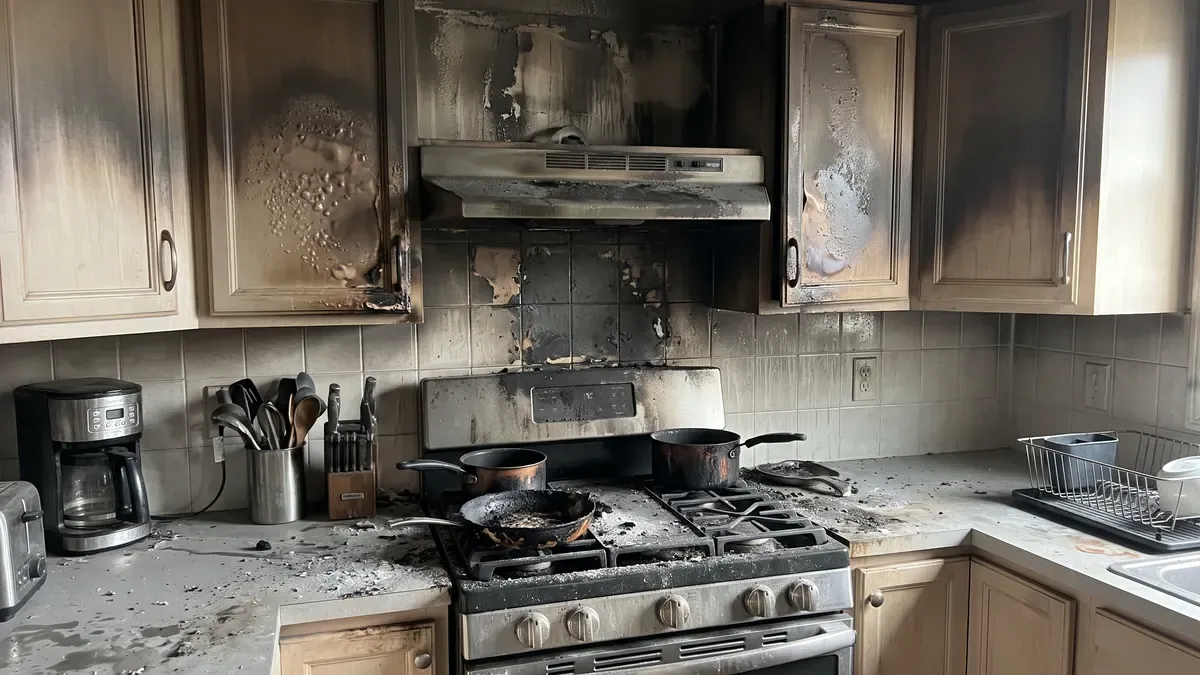
There are several types of soot. Dry soot from fast burning paper and wood can be vacuumed and dry sponged. Oily soot from plastics and synthetics smears if wiped. Protein residue from kitchen fires is almost invisible but sticks and smells strongly. Using the wrong method pushes residue deeper into surfaces.
Cleanup covers walls, ceilings, HVAC ducts, vents and contents. Smoke odor lives in porous materials such as insulation, carpet and upholstery, so odor treatment often follows cleaning. Some items can be restored and others need replacing.
Signs you may need smoke and soot cleanup
- Gray or black film on walls and ceilings
- Soot dust around vents and fixtures
- A smoky smell in closets, fabrics or ducts
- Greasy yellow residue after a kitchen fire
- Discolored paint or sticky surfaces
What to do and what happens next
- Avoid touching or wiping soot and keep HVAC off
- Photograph surfaces and contents
- Vacuum and dry clean loose soot
- Use cleaners matched to the soot type
- Clean ducts, vents and contents
- Treat odor with the right method and recheck
Smoke and soot in Dallas homes
Open floor plans and central HVAC spread smoke and soot through a whole house quickly. Attic air handlers can pull residue through ductwork. Kitchen fires are the most common starting point in apartments and townhomes, and nearby units often smell the smoke even when they were not damaged by fire. Duct cleaning is often part of the job.
Mistakes that make it worse
- Wiping soot with a damp cloth
- Running the AC or heater and spreading residue
- Using air fresheners to mask the smell
- Painting over soot stains without sealing
What affects the cost
Cost depends on the area, soot type and whether ducts and contents are included. Ask for a written scope that separates structure, ducts and contents.
Where we help in the Dallas area
Smoke and Soot Cleanup is available across Dallas and the metroplex. Popular nearby pages:
See every city and ZIP code on our Dallas Fort Worth service areas page and the Dallas ZIP codes and neighborhoods page.
Related services
Fire and Smoke Damage Restoration
Soot, smoke, odor and firefighting water cleanup after a house or business fire. Available 24/7.
Learn more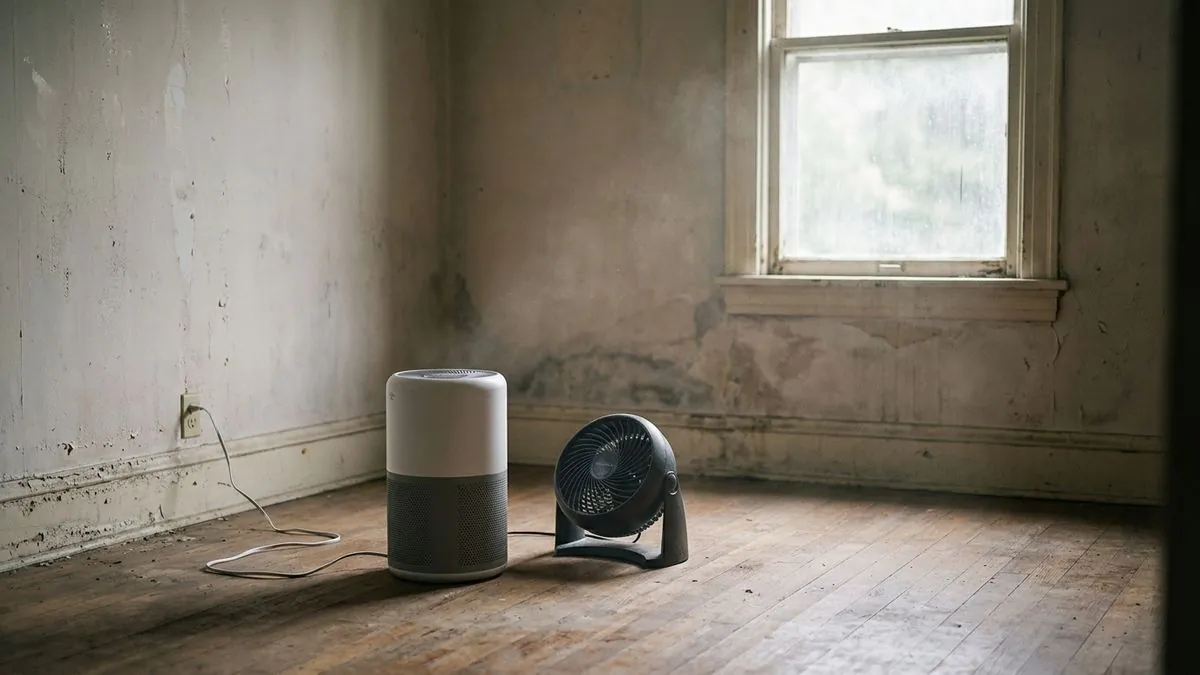
Odor Removal and Deodorization
Smoke, mold, sewage and water damage odors treated at the source. Available 24/7.
Learn more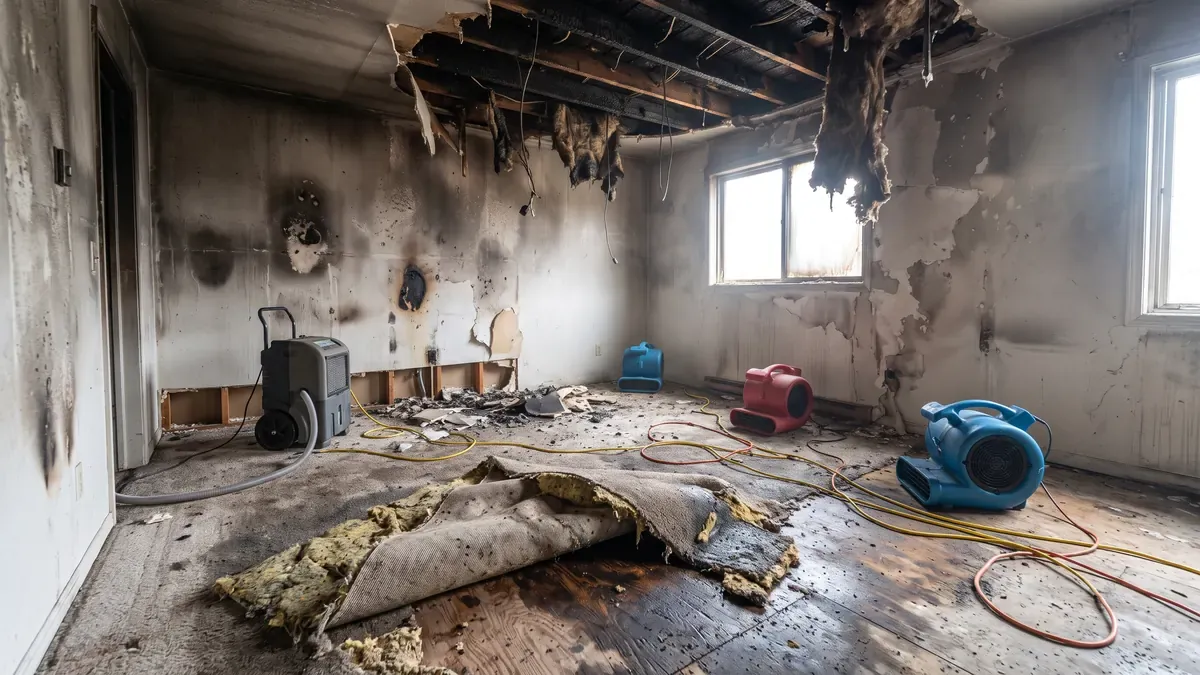
Water Damage After a Fire
Removal and drying of hose water, sprinkler discharge and runoff after a fire. Available 24/7.
Learn more
Attic and HVAC Mold Removal
Mold in attics, air handlers and ductwork caused by condensation and leaks. Available 24/7.
Learn moreGuides worth reading
- Fire and Smoke Damage: What to Do First in Dallas
- Dallas Water Damage Restoration Cost: What Drives the Price
How help works in Dallas
- Call or send a request any time, 24/7, with your ZIP code and what happened
- The operator confirms your location and connects you with an independent local company that covers it
- The company explains its process and pricing before work starts, then removes water, dries and cleans
Water Damage Restoration Dallas is an independent connection service and is not the contractor. The independent company that arrives sets its own pricing, licenses and terms and does the work. See our disclaimer.
Frequently asked questions
Can soot cause health problems?
Soot particles can irritate the lungs and eyes. Avoid disturbing it and let a trained crew clean.
Will the smoke smell ever go away?
With proper cleaning and odor treatment, usually yes. Lingering smell often means residue or porous materials still hold smoke.
Are ducts cleaned too?
Often. Ask the company whether duct cleaning is included.
Do you handle kitchen fire cleanup near me in Dallas?
Call our 24/7 line with your ZIP code to be connected with a local crew.