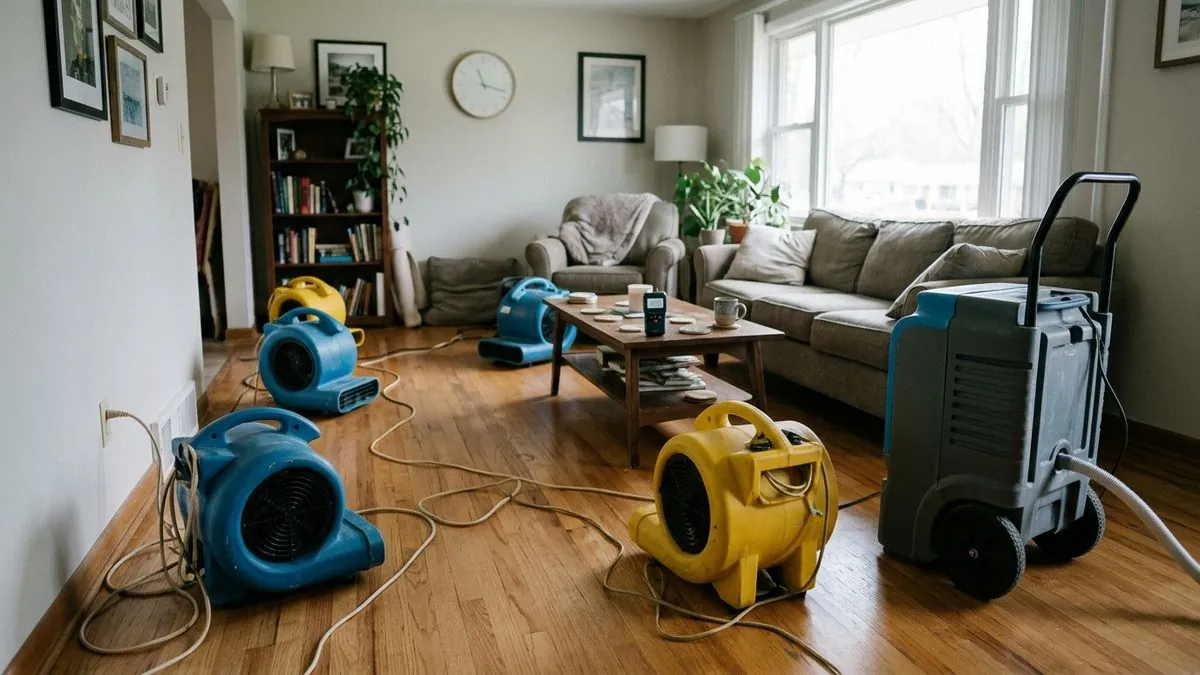
Structural drying is the controlled removal of moisture from walls, floors and framing after the standing water is gone. It uses air movers, dehumidifiers and moisture readings so a building is verified dry, not just dry on the surface.
Structural Drying and Dehumidification in Dallas: what you need to know
Water does not stay on the surface. It soaks into drywall, insulation, subfloor and framing, and materials that feel dry can hold enough moisture to grow mold. Professional drying places air movers and dehumidifiers based on the size and class of the loss and monitors moisture daily.
The goal is to reach dry standard readings for each material, not just a feeling of dryness. Crews record readings, adjust equipment and remove it only when the building meets the target.
Signs you may need structural drying and dehumidification
- A building that feels damp or smells musty after water
- Wet insulation or soaked drywall
- Hardwood floors that cup or crown
- Water that sat for more than a day
- Humidity that stays high after cleanup
What to do and what happens next
- Complete water extraction first
- Map moisture with meters and thermal imaging
- Place air movers and dehumidifiers for the size of the loss
- Remove materials that cannot be dried
- Monitor readings each day and adjust equipment
- Confirm dry standard readings before removing equipment
Drying conditions in Dallas
Dallas humidity is lower than the Gulf Coast but still high enough in summer to slow drying, and the air conditioning cycle can help or hurt depending on setup. In winter, dry air helps, but cold structures can trap moisture. Crews adjust equipment to the season, and large Class 3 and Class 4 losses may need specialty drying.
Mistakes that make it worse
- Running a few household fans and calling it dry
- Removing equipment without readings
- Skipping monitoring visits
- Painting or sealing before the building is verified dry
What affects the cost
Drying cost is driven by equipment type, the number of units and the number of days, plus monitoring visits. Ask for the equipment count, daily rate and expected duration in writing.
Where we help in the Dallas area
Structural Drying and Dehumidification is available across Dallas and the metroplex. Popular nearby pages:
See every city and ZIP code on our Dallas Fort Worth service areas page and the Dallas ZIP codes and neighborhoods page.
Related services
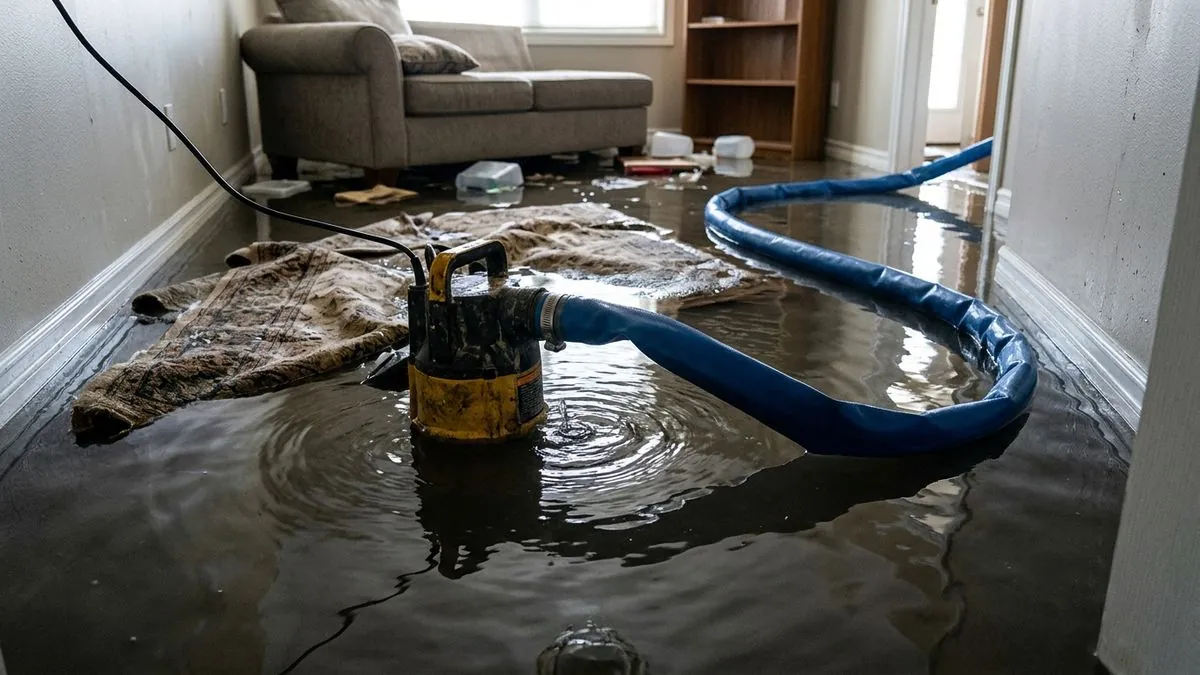
Water Extraction
Pumping out standing water and pulling moisture from carpet, pad and floors. Available 24/7.
Learn more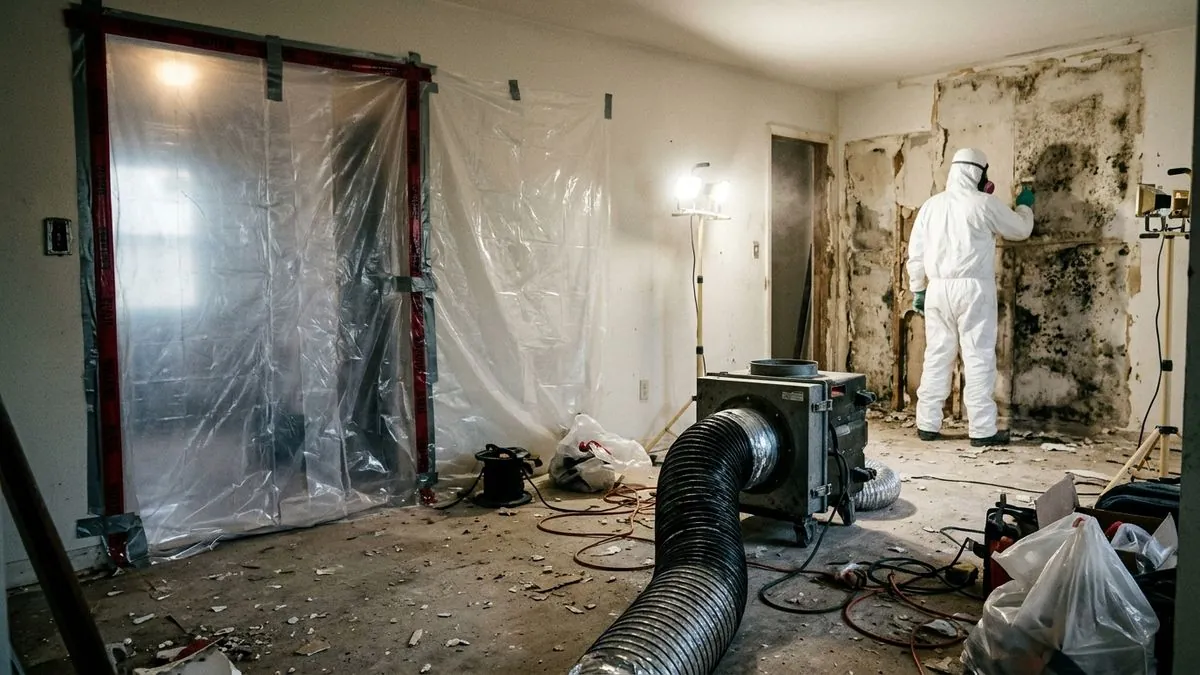
Mold Remediation After Water Damage
Stopping and cleaning mold that follows leaks, floods and storm water. Available 24/7.
Learn more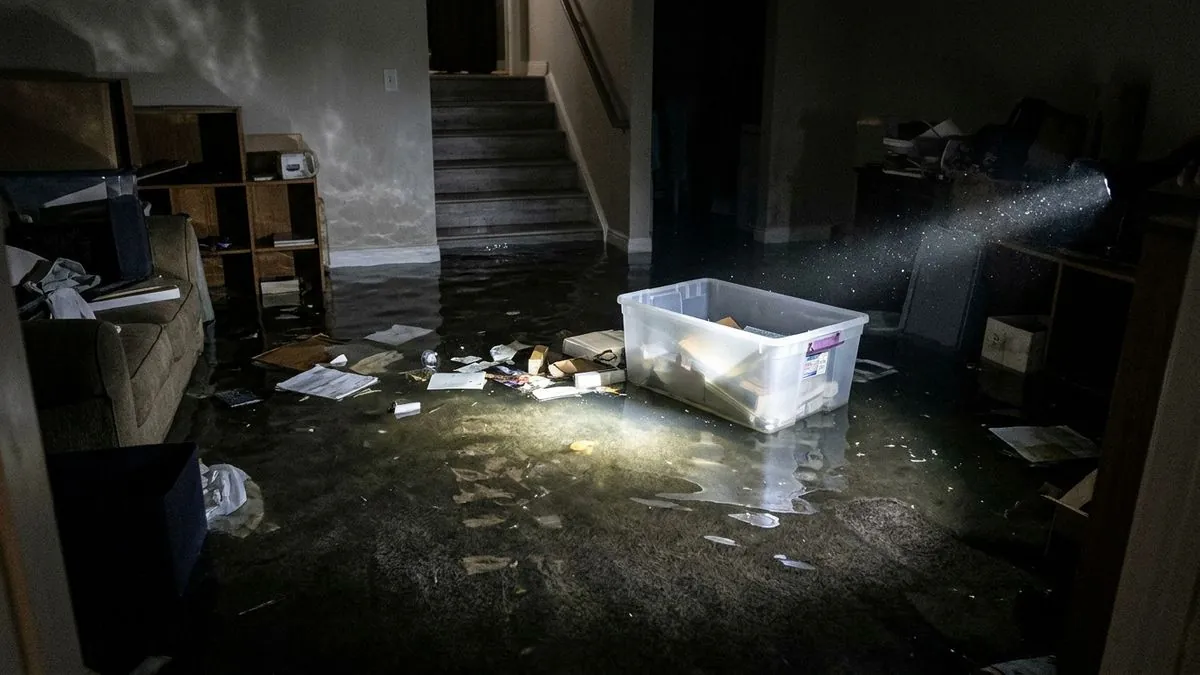
Flood Damage Cleanup
Cleanup, removal and drying after rising water enters a Dallas area property. Available 24/7.
Learn more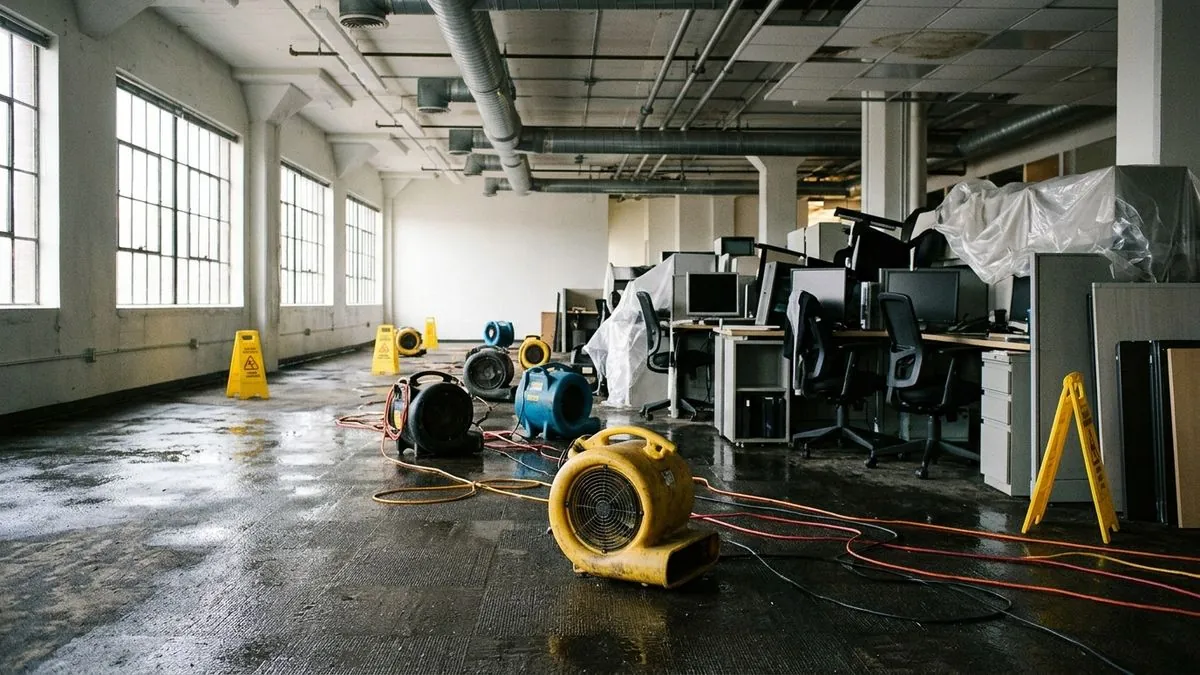
Commercial Water Damage Restoration
Water loss response for offices, retail, restaurants and apartment buildings. Available 24/7.
Learn moreGuides worth reading
How help works in Dallas
- Call or send a request any time, 24/7, with your ZIP code and what happened
- The operator confirms your location and connects you with an independent local company that covers it
- The company explains its process and pricing before work starts, then removes water, dries and cleans
Water Damage Restoration Dallas is an independent connection service and is not the contractor. The independent company that arrives sets its own pricing, licenses and terms and does the work. See our disclaimer.
Frequently asked questions
How long does structural drying take?
Most homes need three to five days. Hardwood, plaster and wet subfloors can take one to two weeks.
Can I dry my house myself with fans?
Fans alone usually cannot dry a wet structure. Without dehumidifiers and readings, moisture can stay trapped and lead to mold.
Why is the equipment so loud and hot?
Dehumidifiers and air movers run continuously and produce heat and noise. It is part of the drying process.
Do I need to keep the AC on during drying?
Often crews recommend adjusting HVAC settings. Follow the guidance from the crew on site.