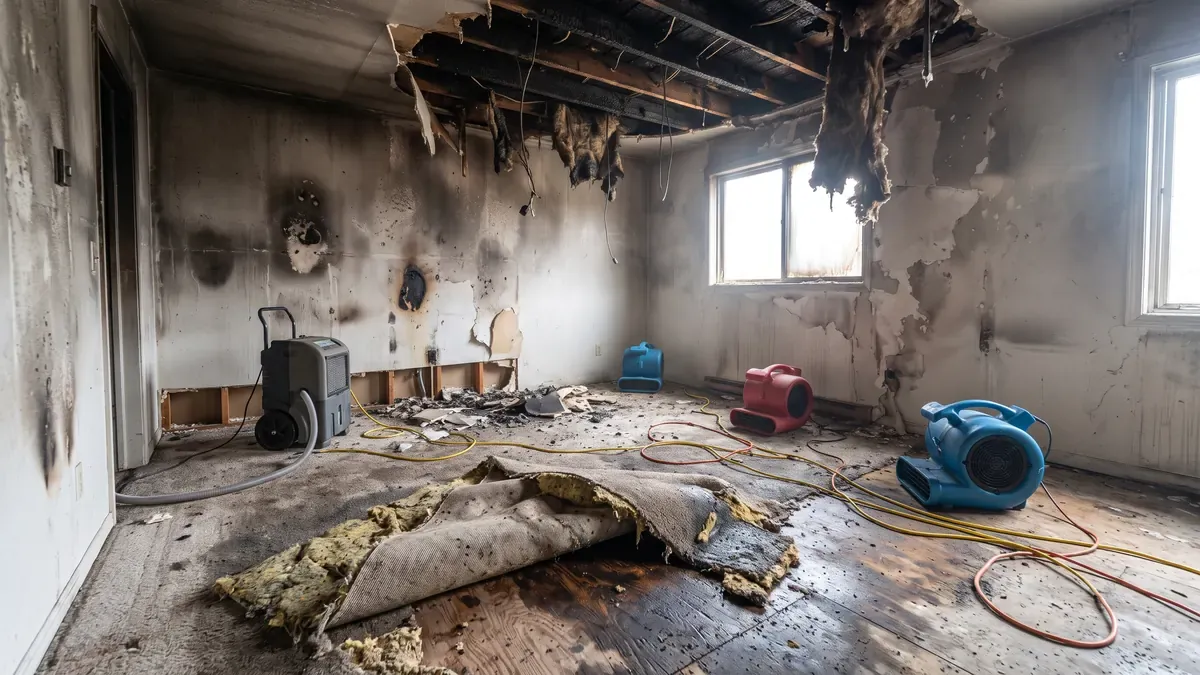
Putting out a fire takes a lot of water, and most of it ends up inside the structure. That water soaks floors, ceilings and walls and carries ash and soot with it, so it needs to be removed and dried quickly.
Water Damage After a Fire in Dallas: what you need to know
Firefighting water is rarely clean. It mixes with ash, soot and debris and can leave black residue in carpet, subfloor and wall cavities. That makes it a different problem from a plumbing leak and means more materials usually have to be removed.
The work runs alongside fire restoration: stop the water, extract it, dry the structure, then clean and treat soot and odor. Delaying drying invites mold on top of fire damage.
Signs you may need water damage after a fire
- Soaked floors and ceilings in rooms near the fire
- Water dripping from upper floors
- Black or gray water in carpet and padding
- Swollen drywall and warped flooring
- A damp, smoky smell
What to do and what happens next
- Wait until the fire department clears the building
- Photograph everything before cleanup
- Extract standing water and remove soaked padding
- Remove wet insulation and drywall that cannot be saved
- Dry the structure with air movers and dehumidifiers
- Coordinate soot cleaning and odor control with drying
Before and after: an illustration
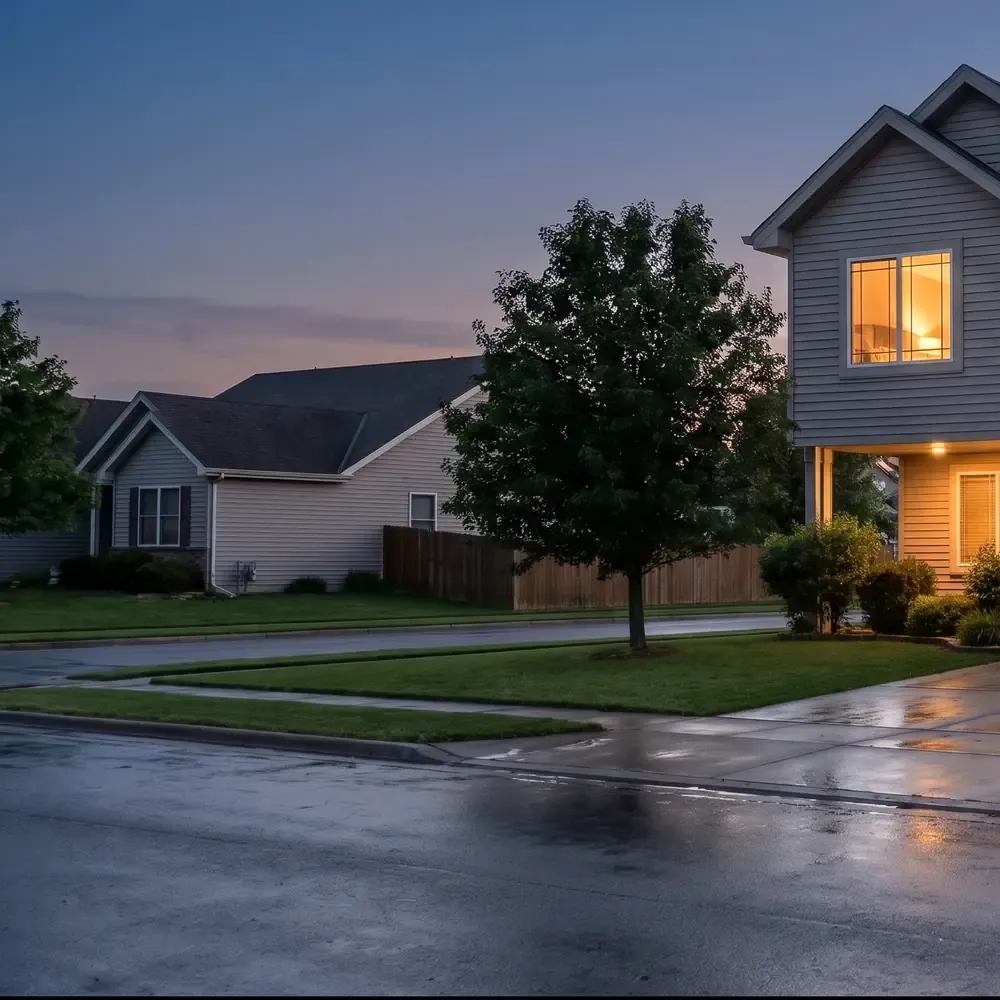
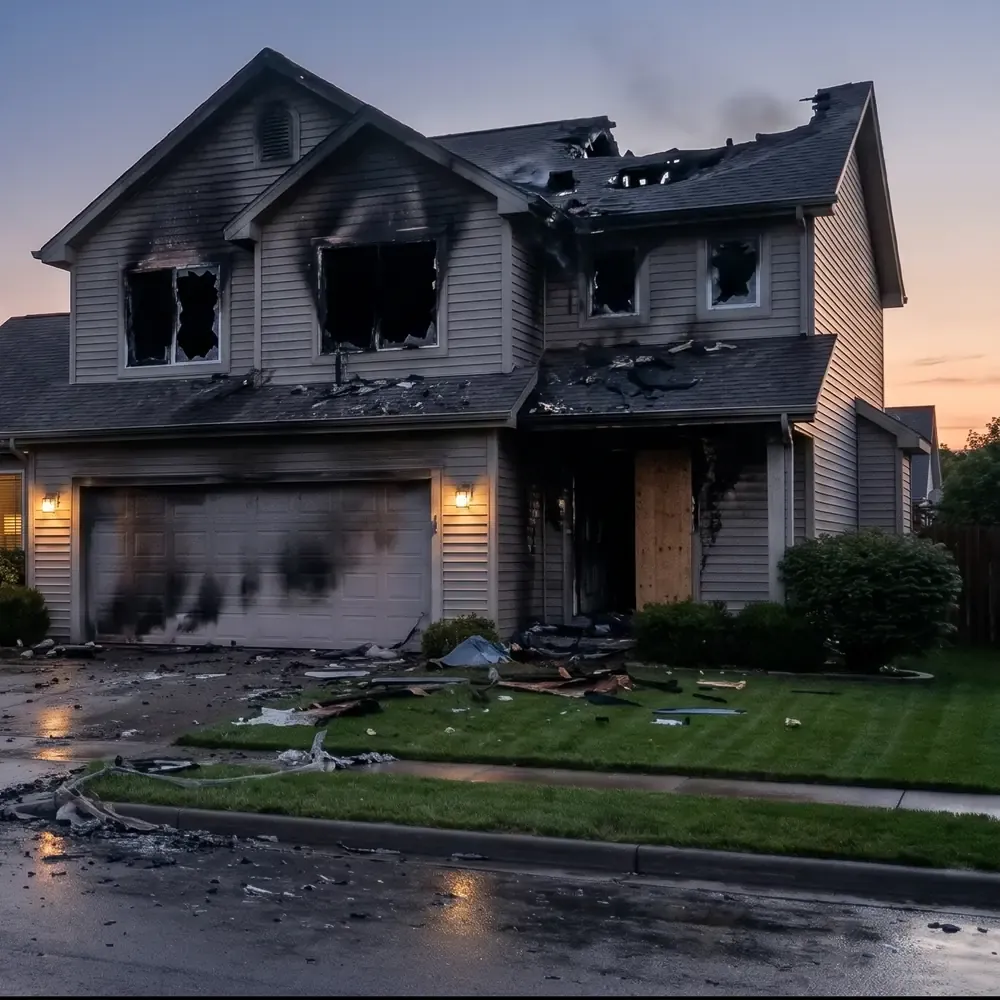 BeforeAfter
Why this matters in Dallas
In hot, humid summers, wet burned materials can grow mold within a couple of days. In winter, wet structures with broken windows can freeze. Multi story homes and townhomes often see water move to lower floors and neighboring units, so a fast response limits secondary loss.
Mistakes that make it worse
- Leaving soaked materials in place while waiting on paperwork
- Skipping moisture readings after drying
- Cleaning soot before drying is complete
- Delaying a mold check after a wet fire loss
What affects the cost
Costs combine water extraction, drying equipment and the removal of burned and soaked materials. Ask for a written scope that covers water, soot and odor separately.
Where we help in the Dallas area
Water Damage After a Fire is available across Dallas and the metroplex. Popular nearby pages:
See every city and ZIP code on our Dallas Fort Worth service areas page and the Dallas ZIP codes and neighborhoods page.
Related services
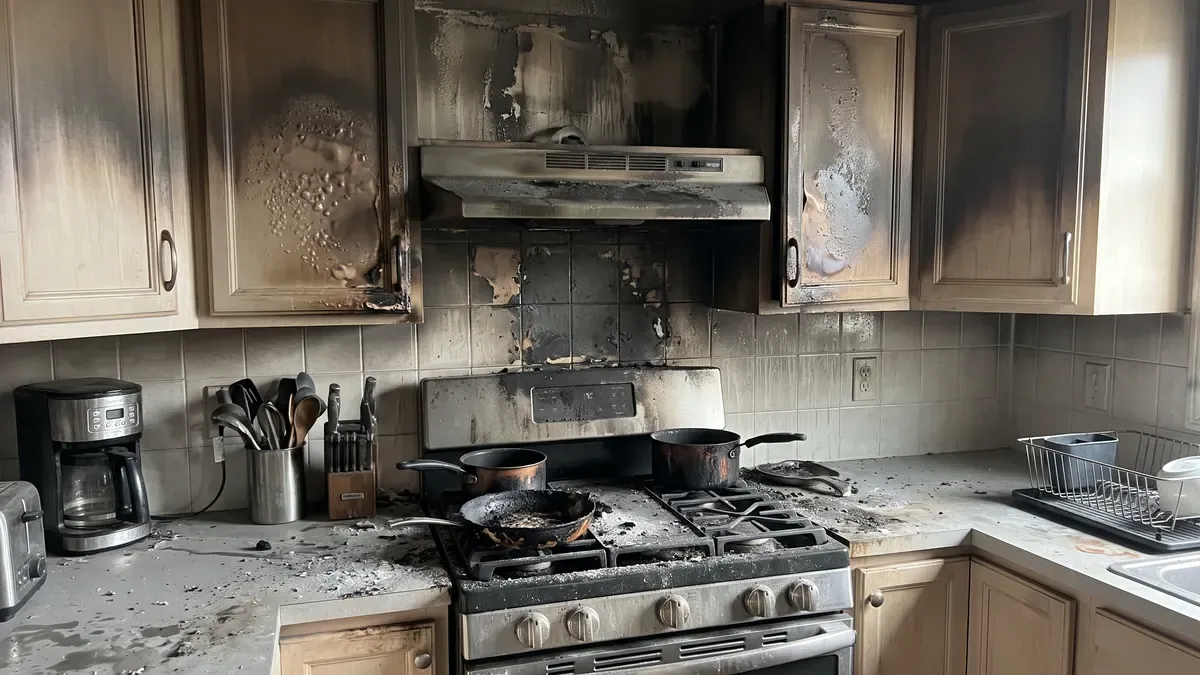
Fire and Smoke Damage Restoration
Soot, smoke, odor and firefighting water cleanup after a house or business fire. Available 24/7.
Learn more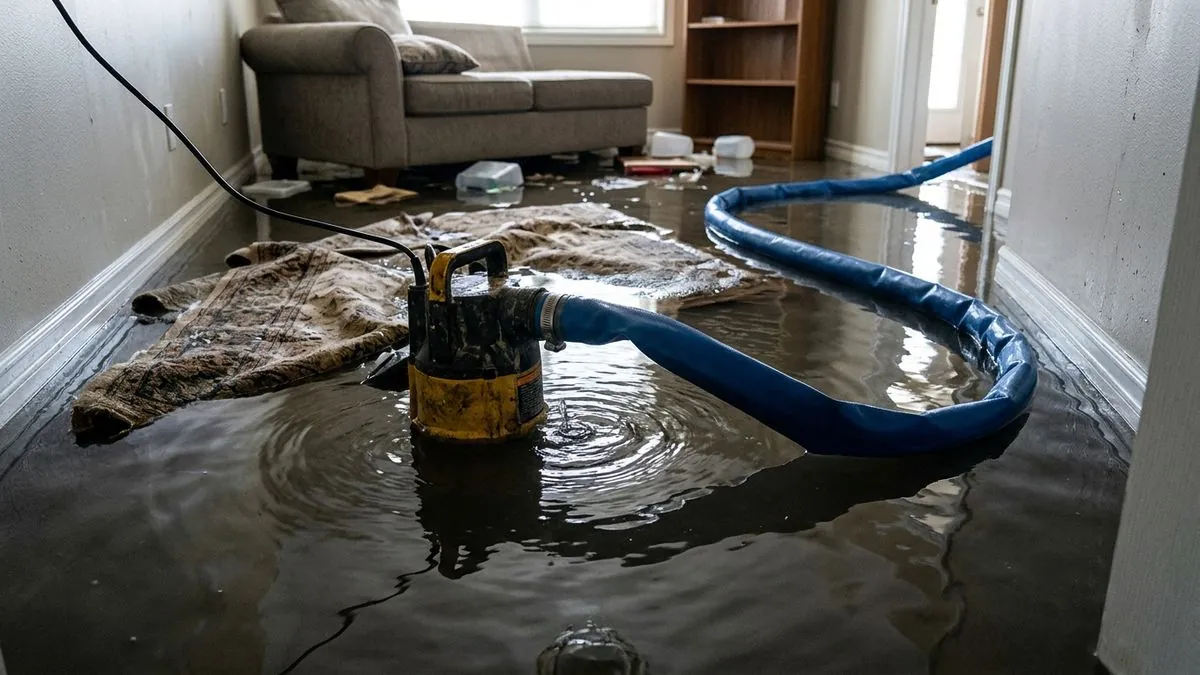
Water Extraction
Pumping out standing water and pulling moisture from carpet, pad and floors. Available 24/7.
Learn more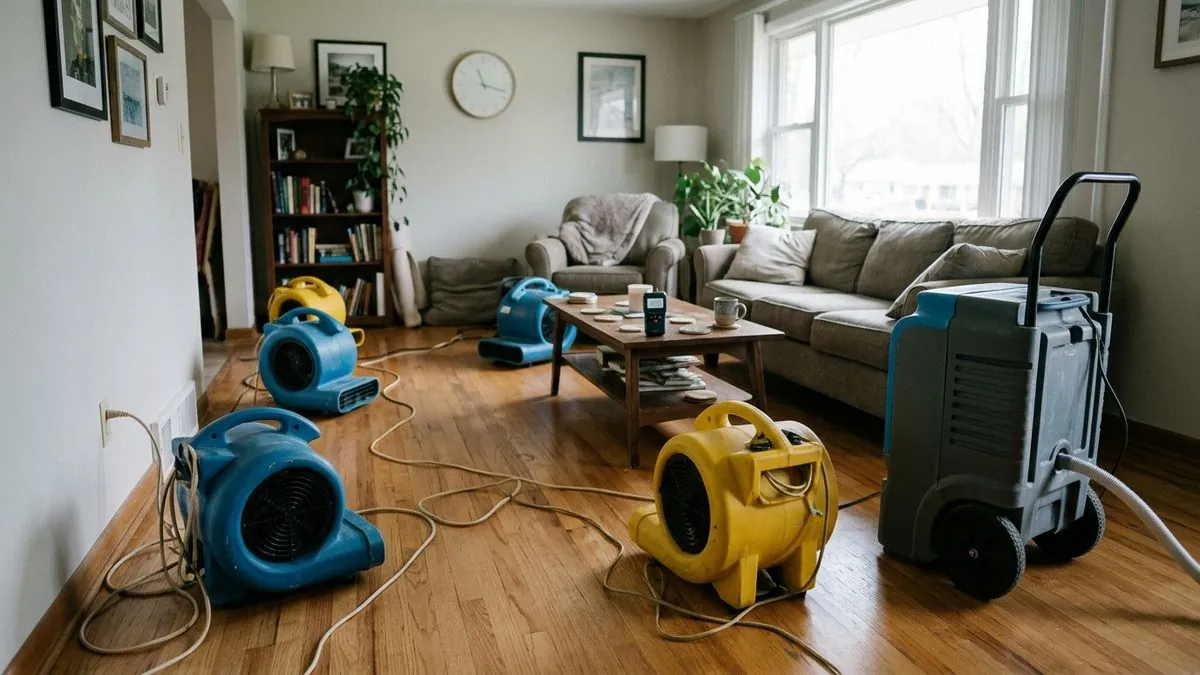
Structural Drying and Dehumidification
Air movers, dehumidifiers and moisture mapping until the building is dry. Available 24/7.
Learn more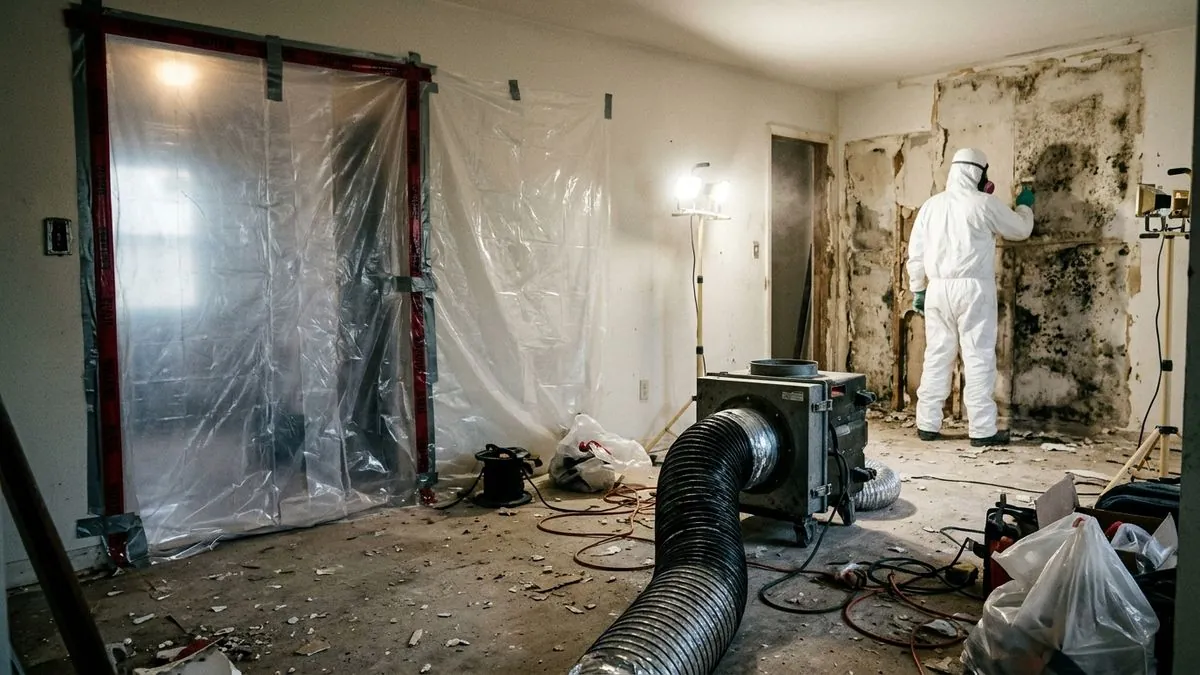
Mold Remediation After Water Damage
Stopping and cleaning mold that follows leaks, floods and storm water. Available 24/7.
Learn moreGuides worth reading
- Fire and Smoke Damage: What to Do First in Dallas
- What to Do After Water Damage in Dallas: First 24 Hours
How help works in Dallas
- Call or send a request any time, 24/7, with your ZIP code and what happened
- The operator confirms your location and connects you with an independent local company that covers it
- The company explains its process and pricing before work starts, then removes water, dries and cleans
Water Damage Restoration Dallas is an independent connection service and is not the contractor. The independent company that arrives sets its own pricing, licenses and terms and does the work. See our disclaimer.
Frequently asked questions
Is water damage from firefighting covered by insurance?
It is commonly handled as part of a fire claim. Check your policy and talk to your insurer.
How long does drying take after a fire?
Often several days, depending on the amount of water and the materials. Crews confirm dryness with readings.
Can mold grow after a fire?
Yes, if the structure stays wet. Fast drying lowers the risk.
Who handles this near me in Dallas?
Call our 24/7 line and a local crew that covers your area is lined up.